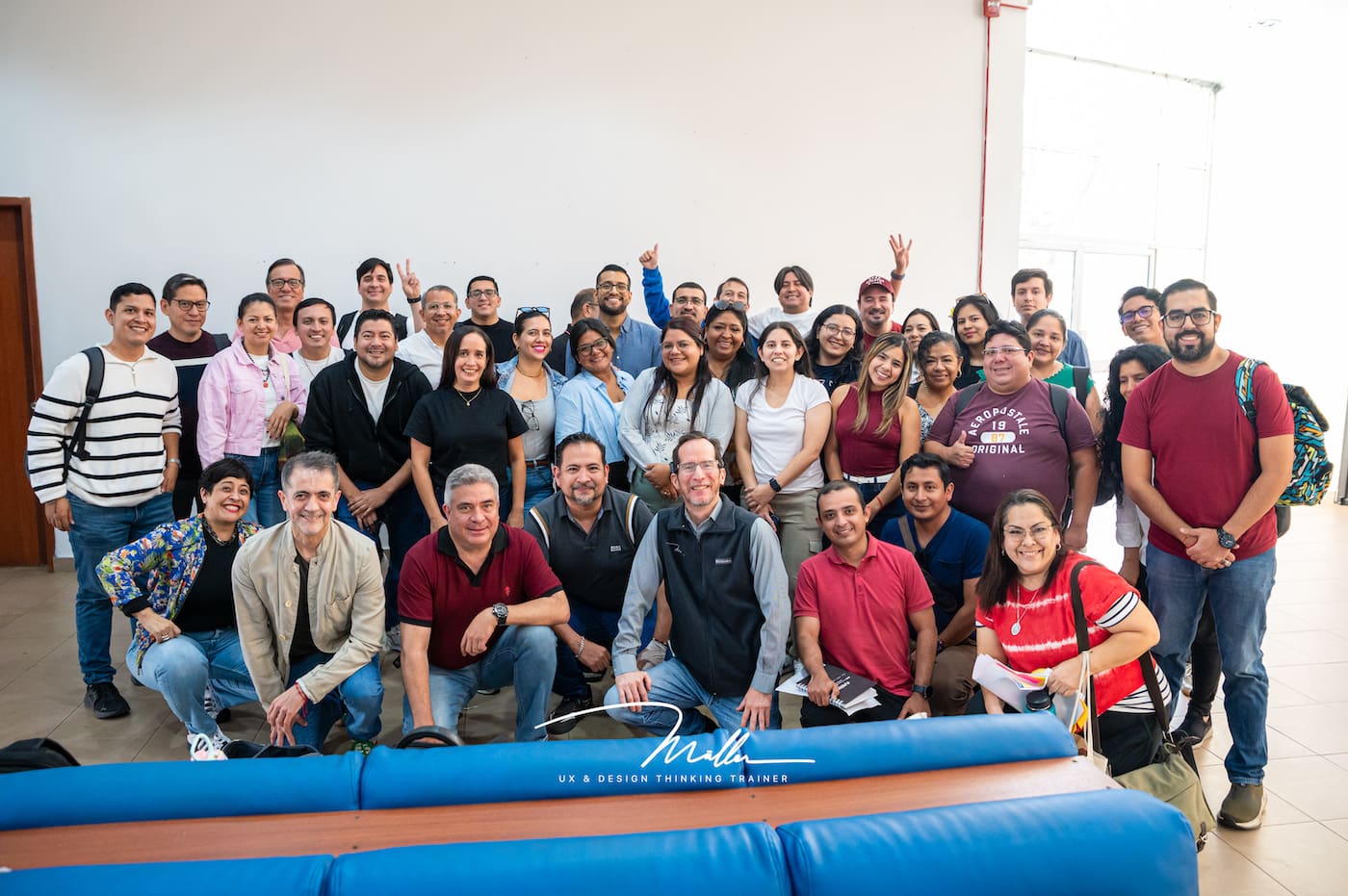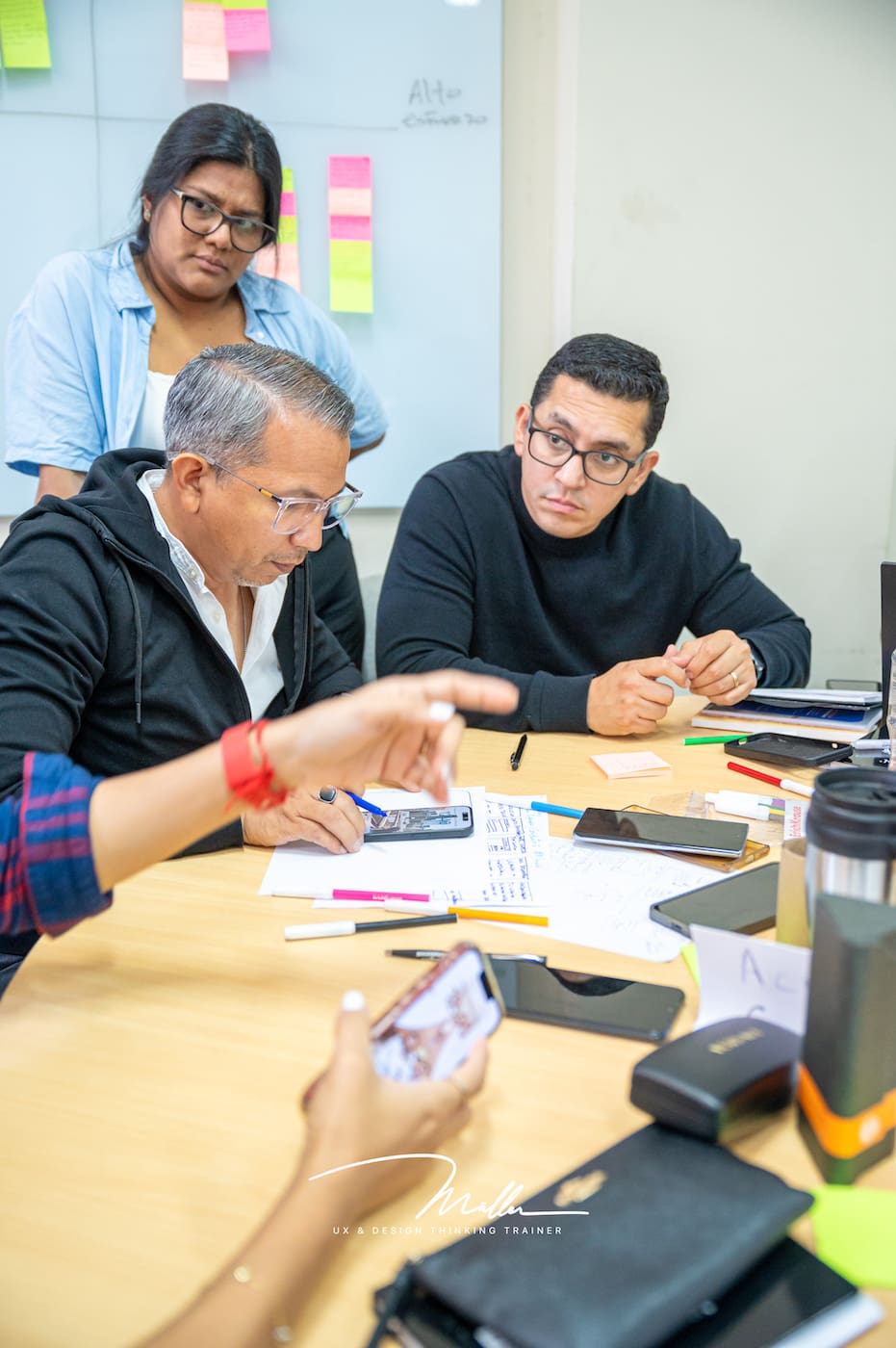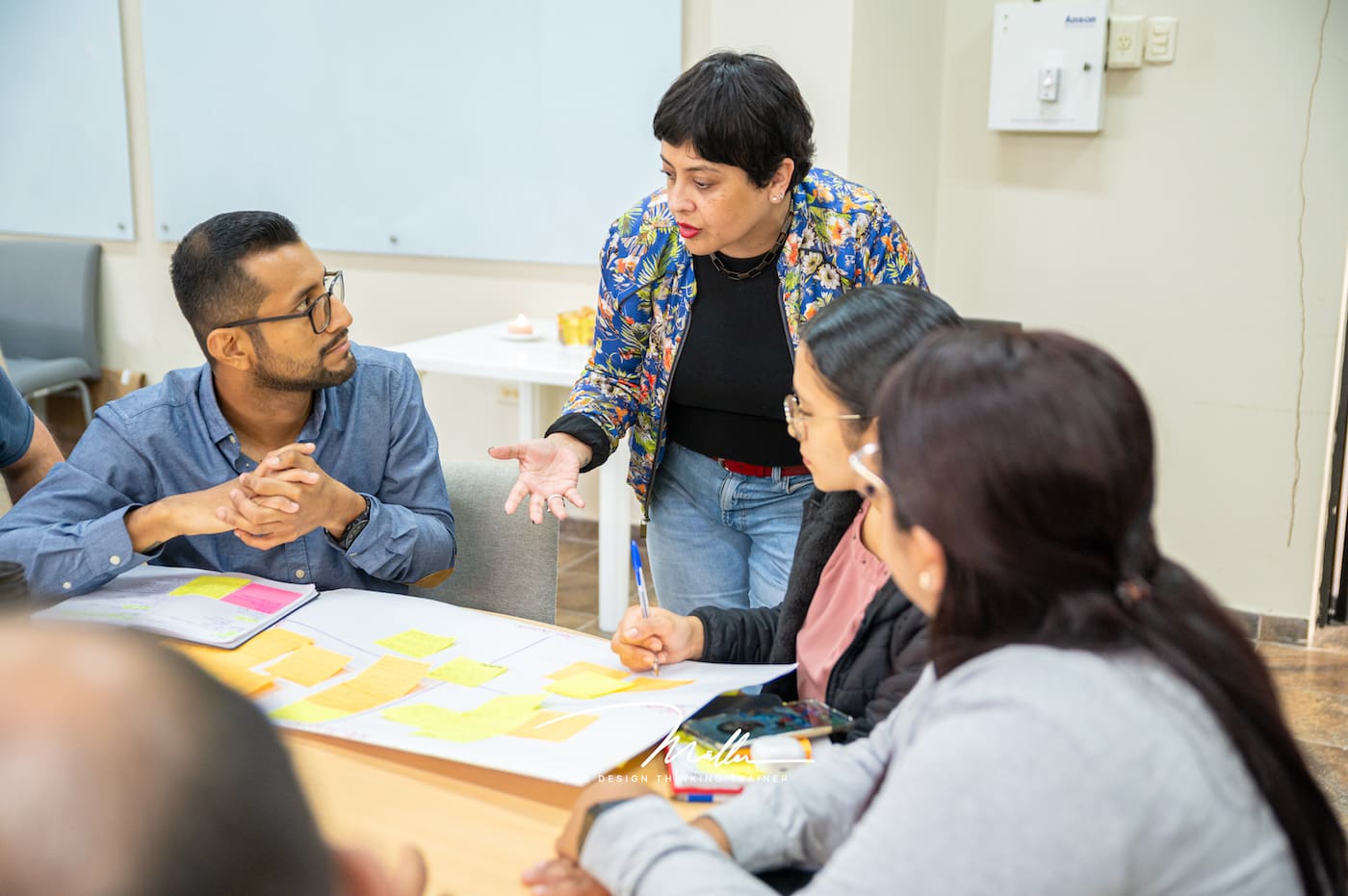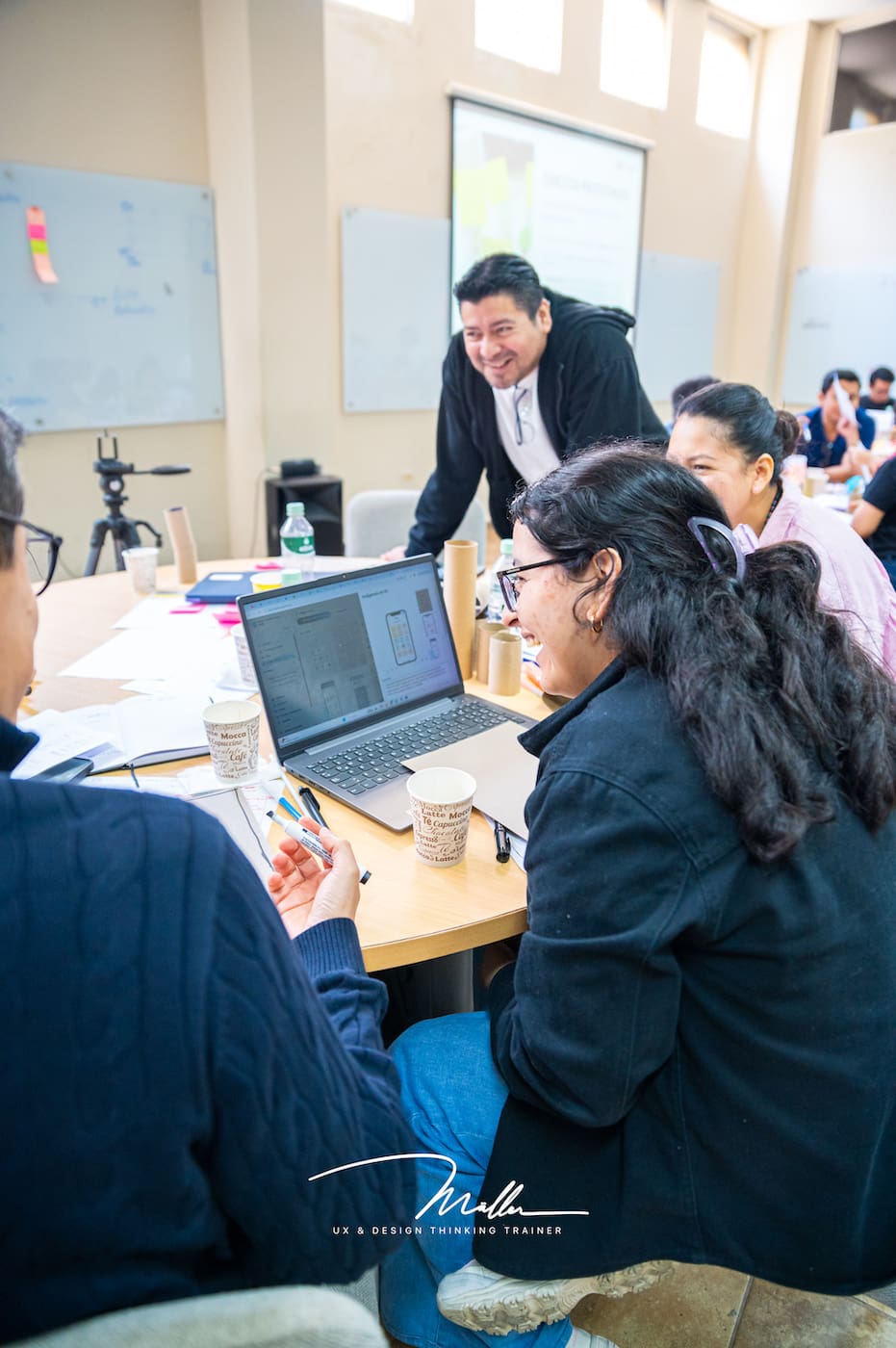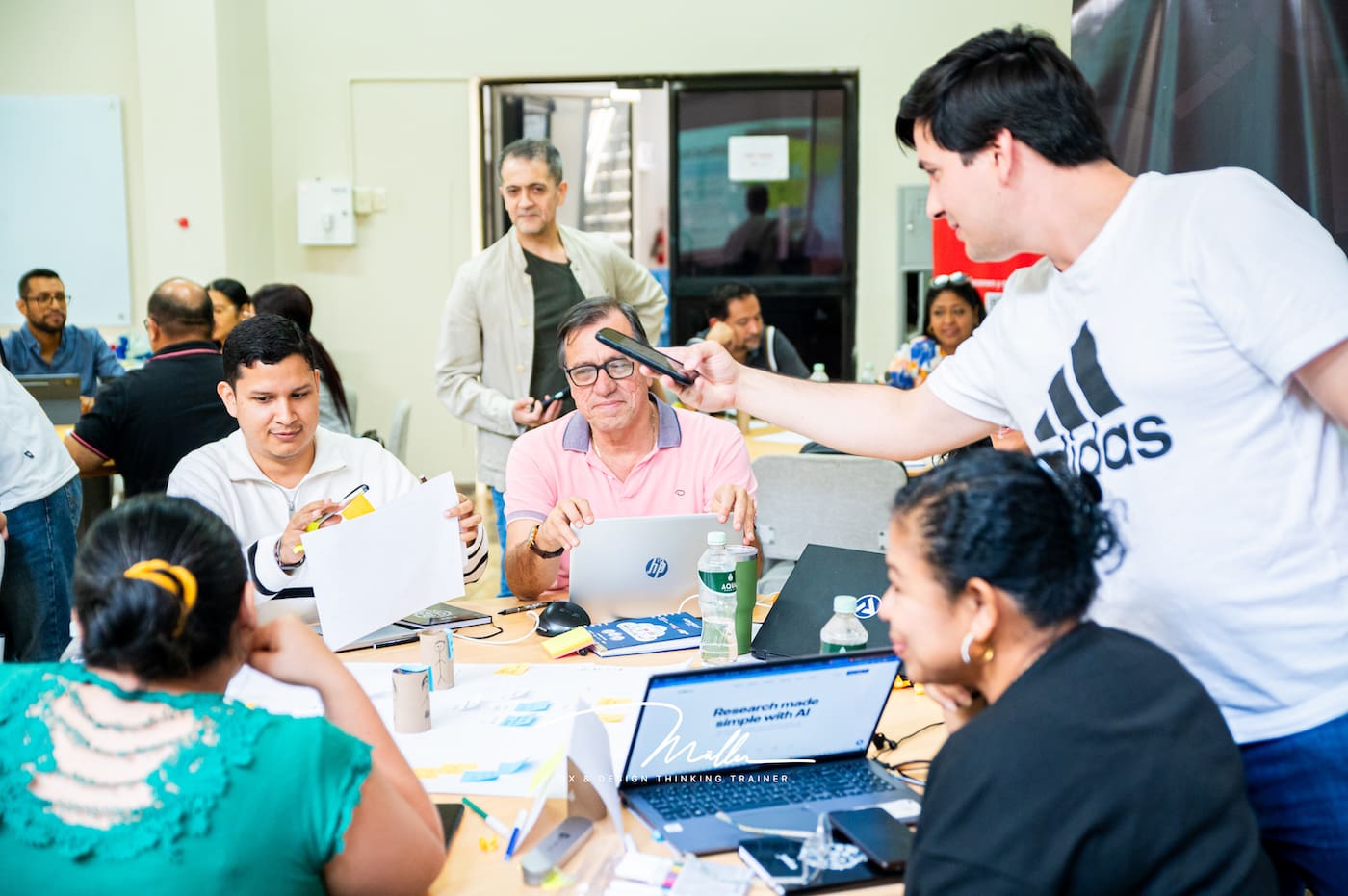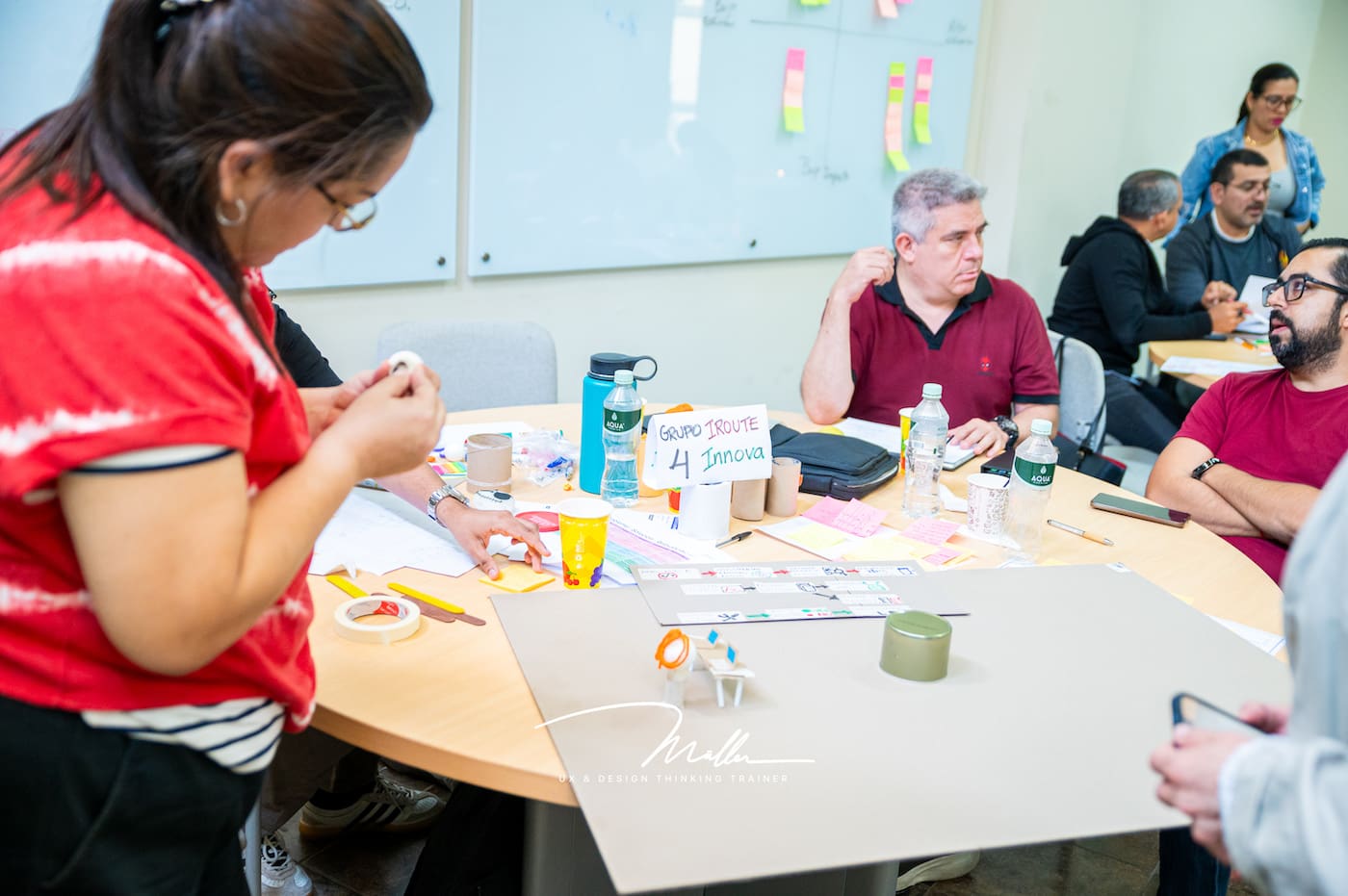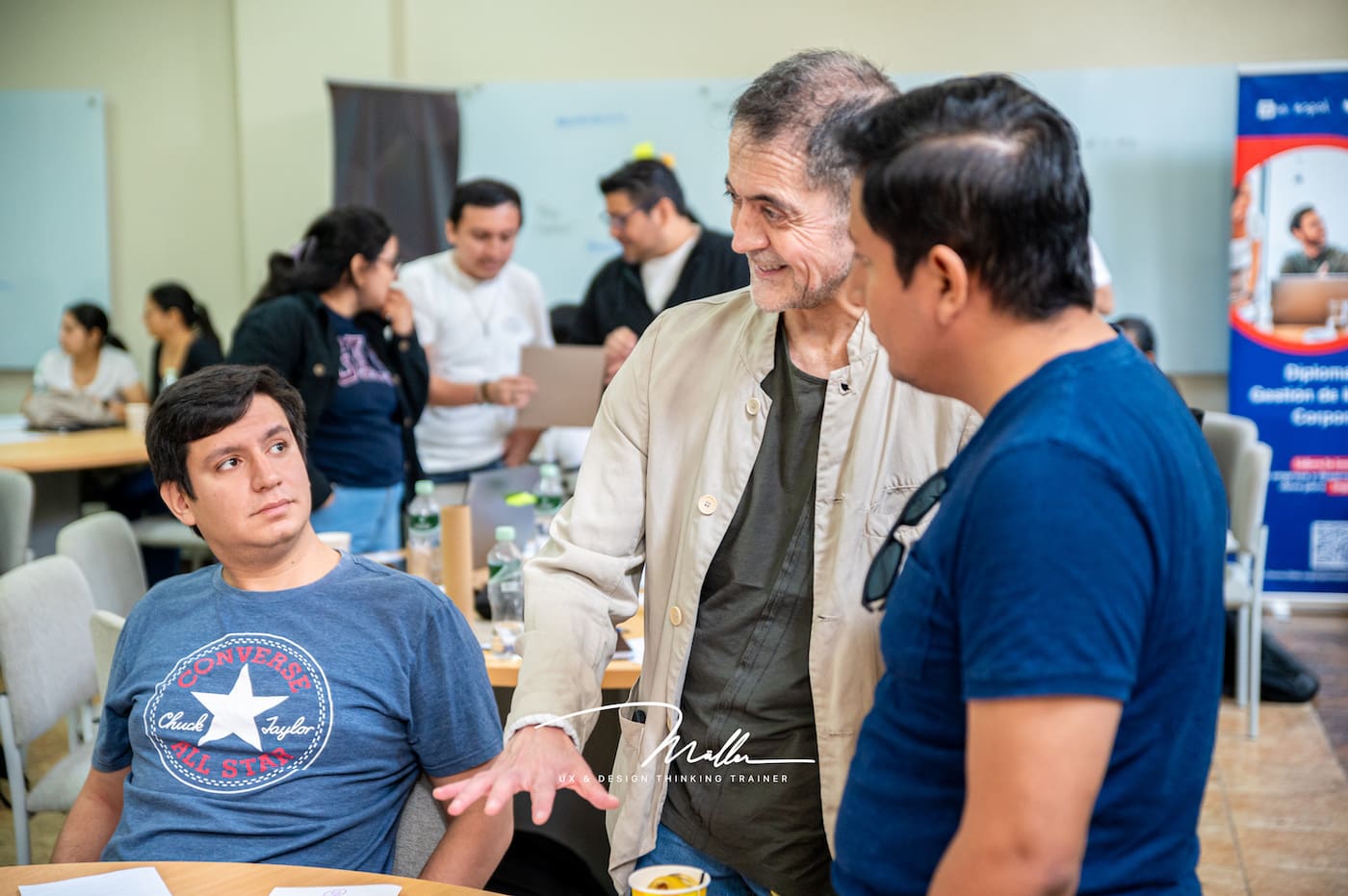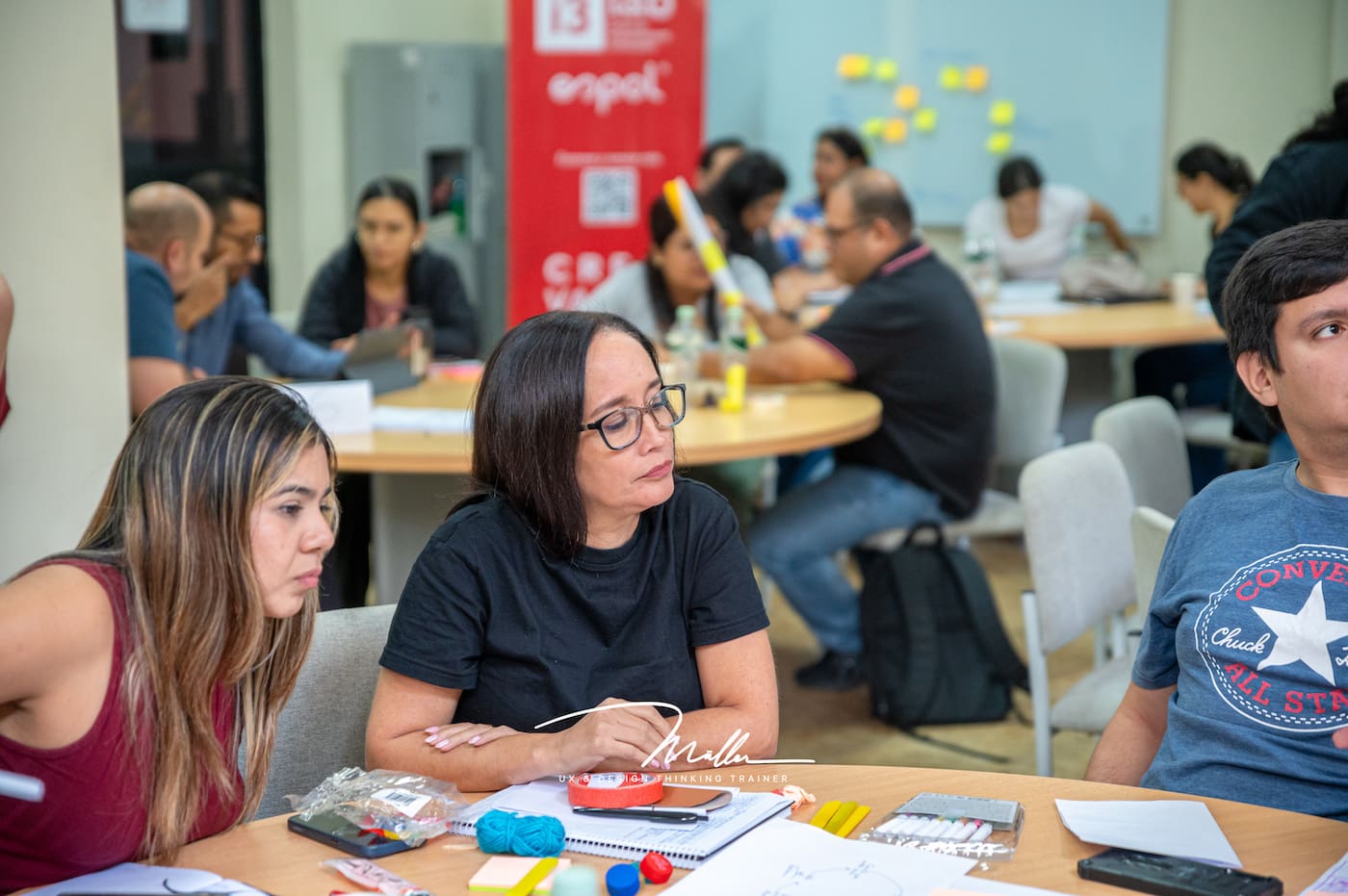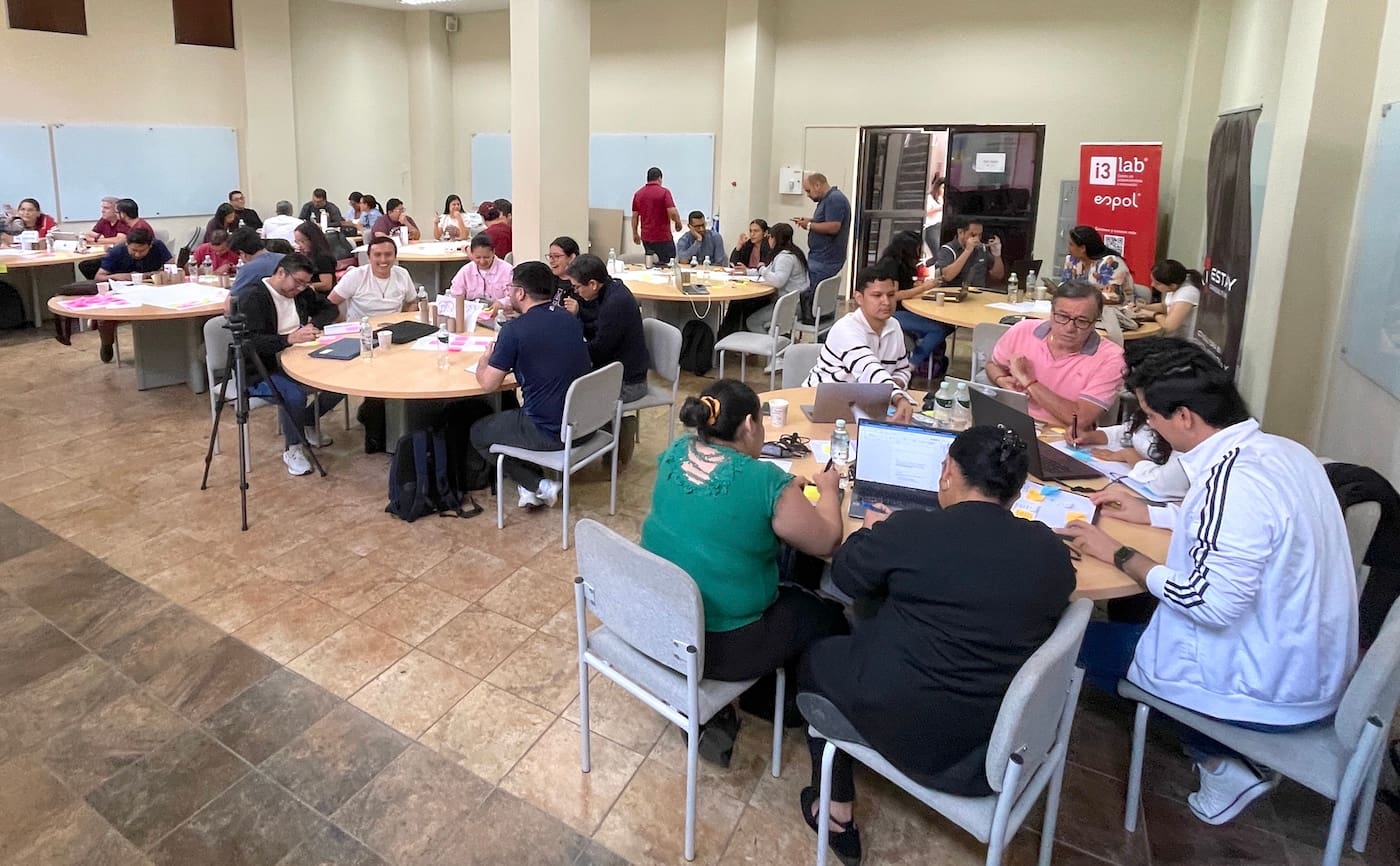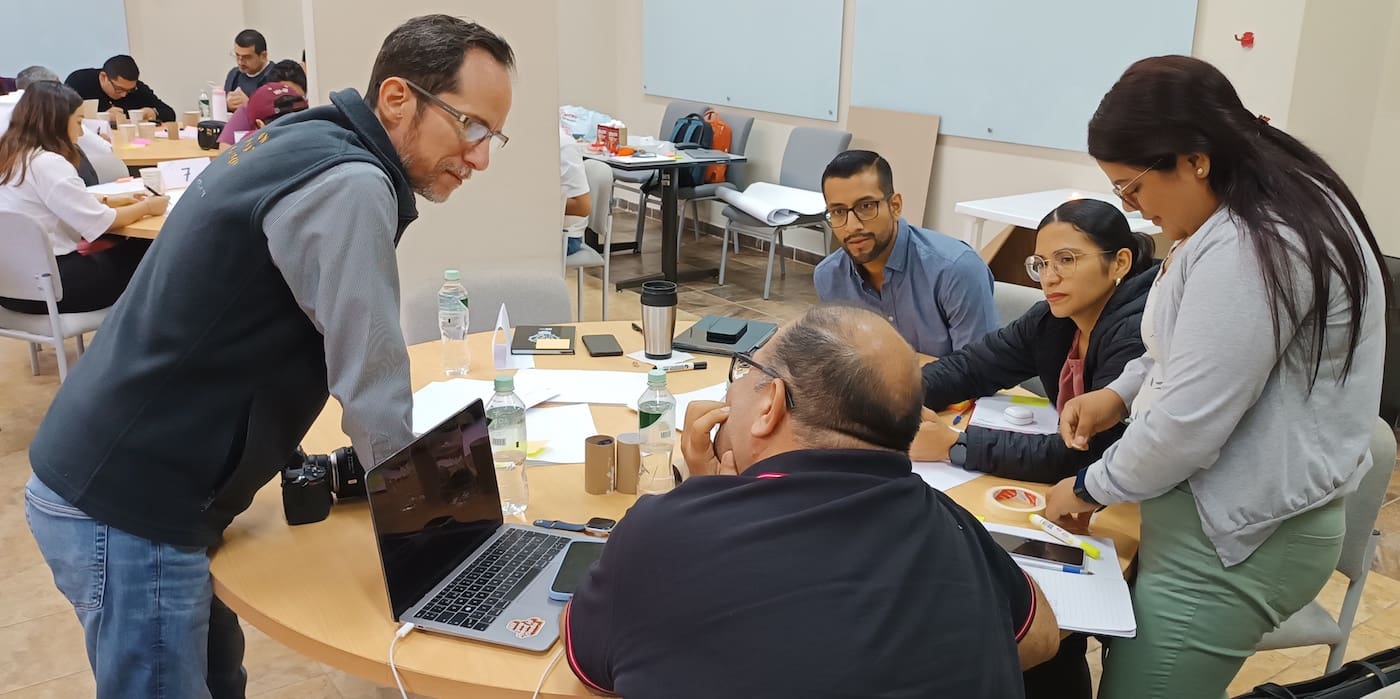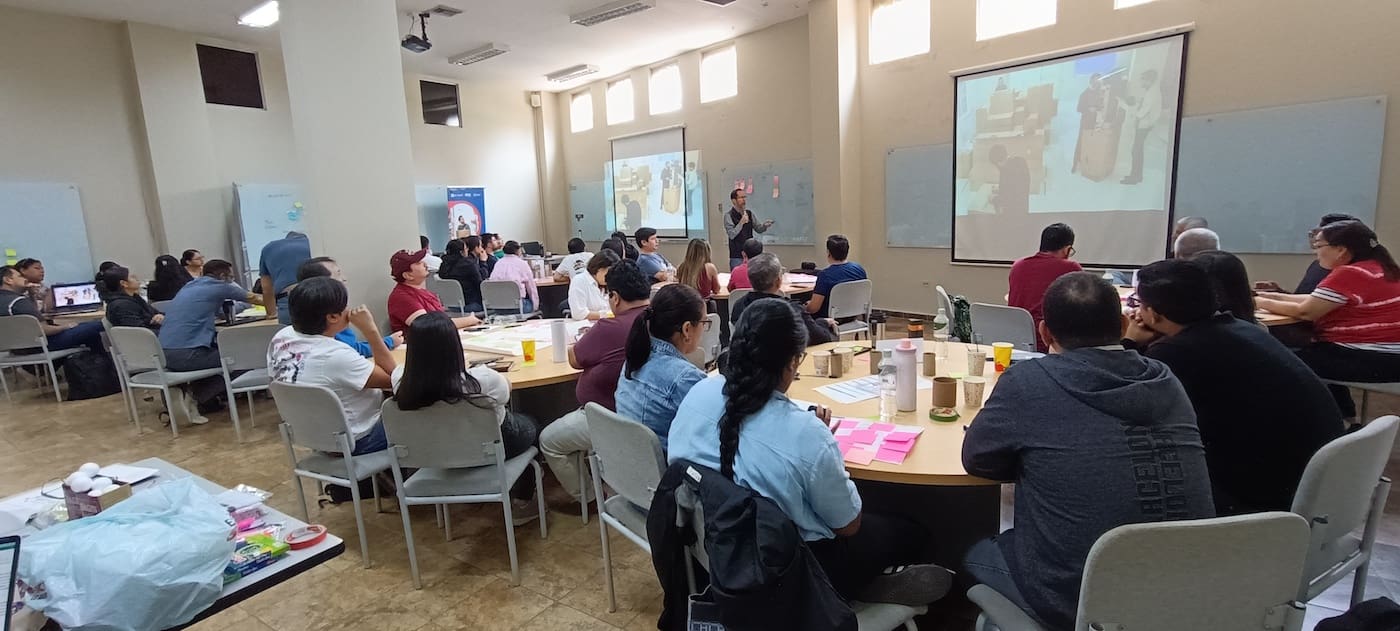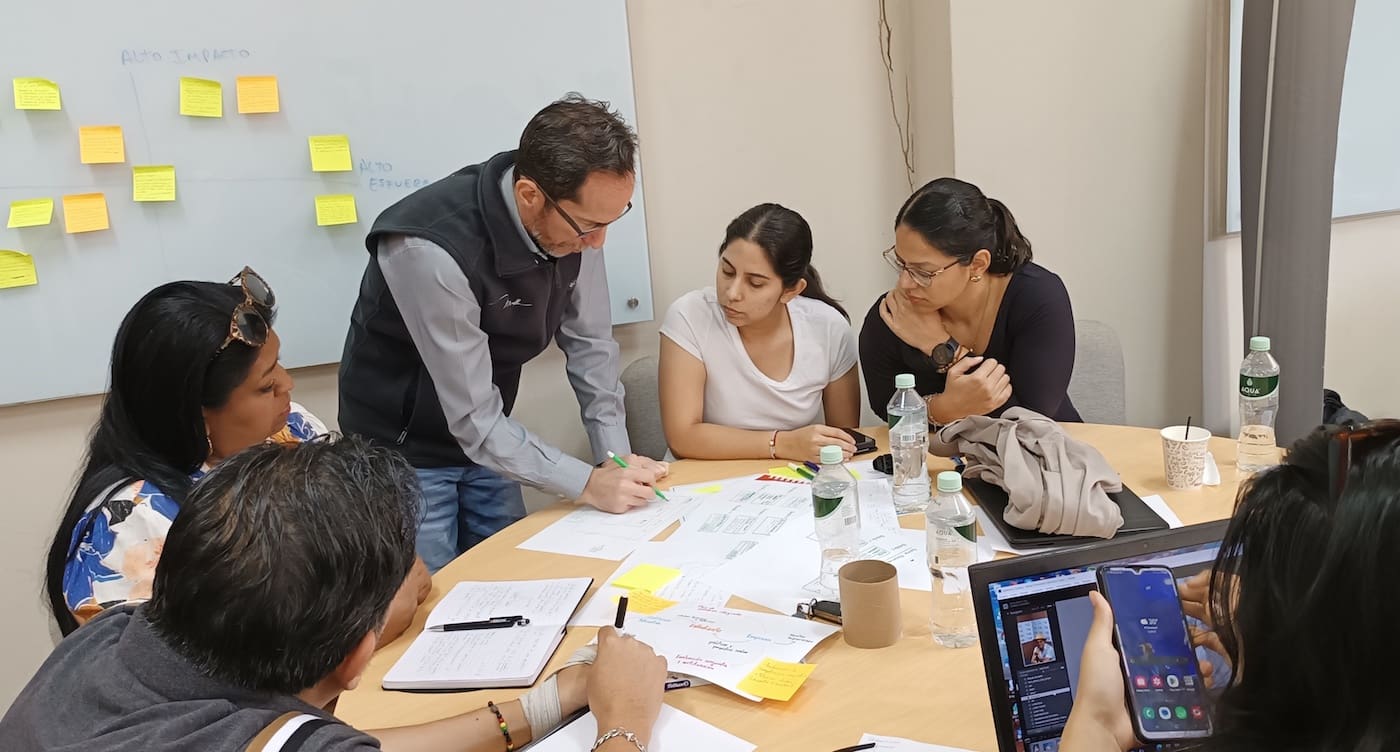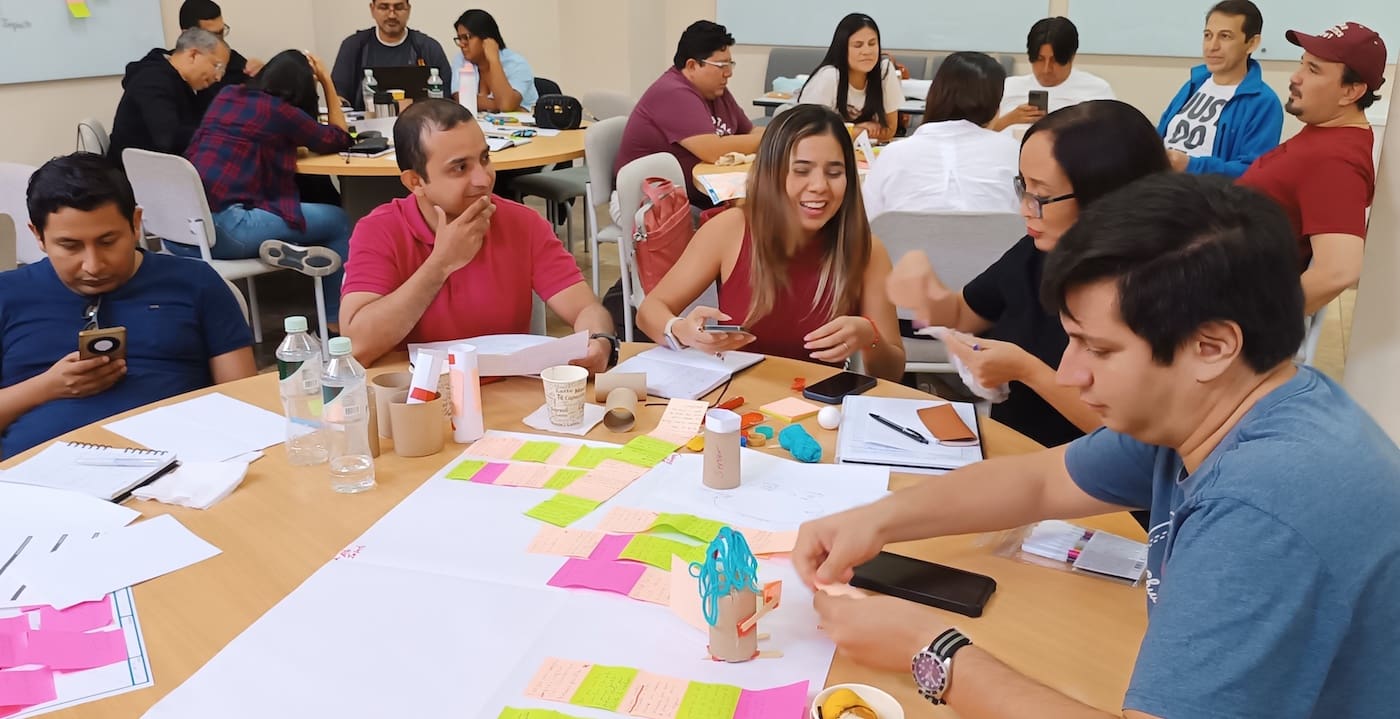
Last weekend I had the pleasure of facilitating Module 6: Mindset, Methods and Tools for Corporate Innovation in the Diploma in Corporate Innovation Management, a program by i3Lab Espol, with the support of Estay Consulting and the IDB.
The diploma program was created with the objective of “training professionals capable of leading, designing, managing, and communicating innovation processes, integrating strategic, methodological, financial, and cultural tools to strengthen the competitiveness, sustainability, and adaptability of their organizations.”
The experience of facilitating
My challenge was to facilitate an eminently practical module for 8 different groups, in a much shorter time than I normally use to complete a Design Thinking experience. This forced me to be agile, adjust dynamics on the fly, and prioritize the essentials.
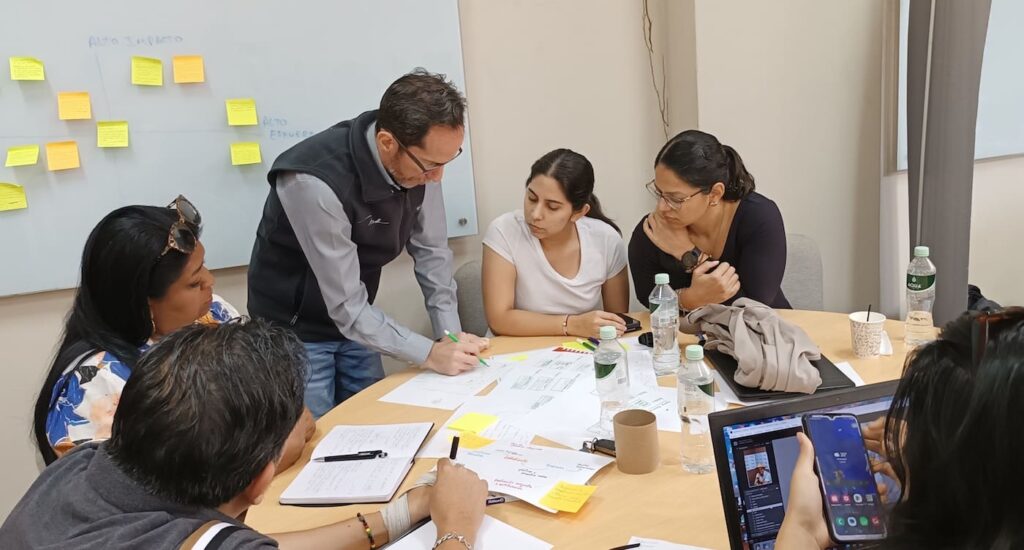
From this experience, I take away three major lessons:
- The value of agility. Sometimes it’s not about following a plan to the letter, but about responding to what happens in the moment with creativity and flexibility.
- The talent of the teams. I confirmed that in our country there are professionals with the necessary capacity, curiosity, and commitment to solve the major challenges they set for themselves.
- Curiosity as a driving force. Beyond the tools, what’s important is to awaken in teams the willingness to think differently, to question what is familiar, and to see opportunities where others only see routine.
Why don’t we innovate?
One of the most powerful reflections in the module revolved around the question: why don’t organizations innovate?
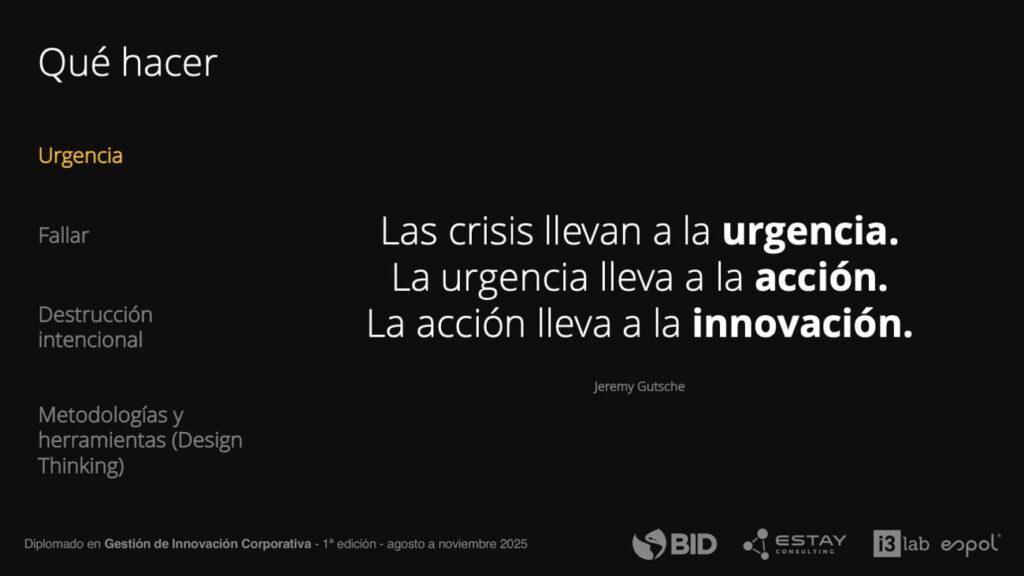
We’re talking about the subtlety of opportunity: the problem with large industries is that they are too comfortable with what they already know. This overconfidence—the “expert trap”—leads them to underestimate emerging trends or to believe that they will always have the advantage simply because of their experience.
There are plenty of examples: Blockbuster could have bought Netflix, Yahoo could have acquired Facebook, and Atari could have taken a stake in Apple. All of those opportunities seemed small or irrelevant at the time, and yet they changed entire industries.
Innovation requires humility to acknowledge what we don’t know and courage to bet on what is new before it becomes obvious to everyone.
From preparing for change to preparing for acceleration.
Another concept we worked on was that of acceleration. For years it was said that we had to prepare for change. Today, that idea is no longer enough.
The world will never be as slow as it once was. Changes are not only rapid; they are exponential, and they occur at increasingly shorter intervals. Innovating, therefore, means anticipating scenarios, creating strategic options, and developing a culture capable of adapting before disruption strikes.
Innovation as a team sport
Innovation is not an isolated act of a creative genius. As we shared in the workshop, innovation is:
- Gradual and recombinant: it often arises from combining elements that already exist.
- A team sport: it flourishes in contexts of deliberate collaboration and cultures that encourage experimentation.
- Un proceso de prueba y error: se aprende más del prototipado y de la validación temprana que de largos planes teóricos.
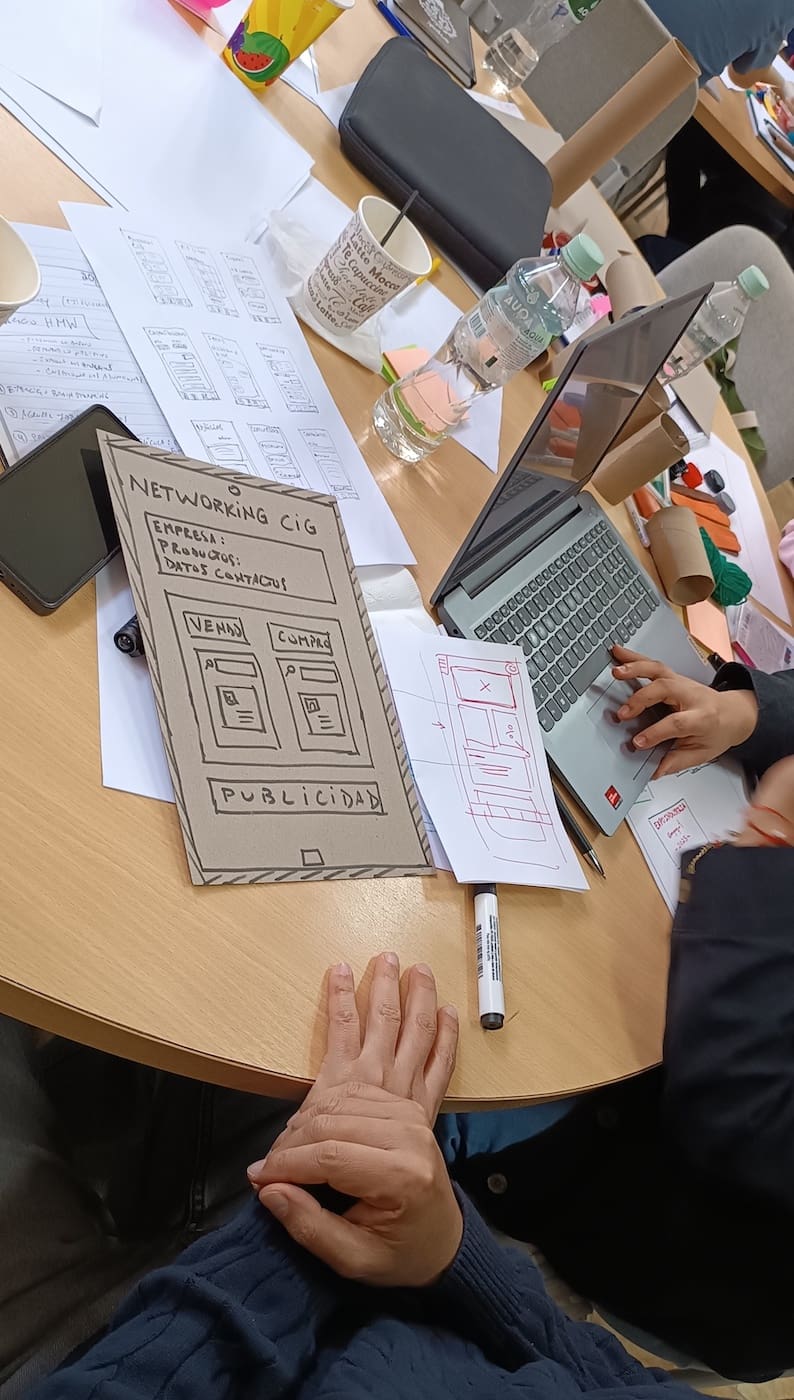
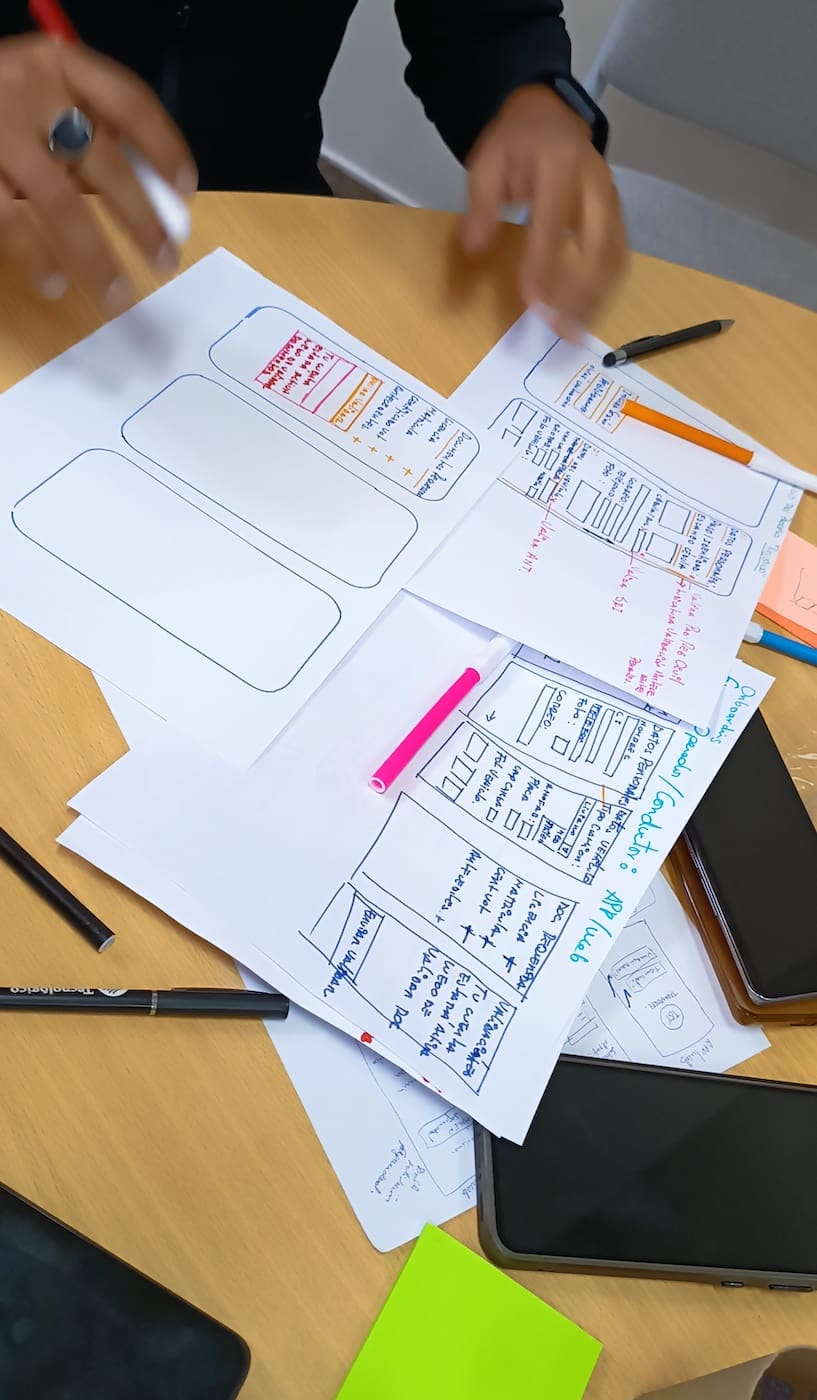
That’s why concepts like Design Thinking are so powerful: they give us a framework to explore with empathy, ideate collectively, prototype quickly, and validate before investing significant resources in solutions that perhaps nobody needs.
What I’m taking with me and what comes next.
From this module, I take away the satisfaction of having seen teams that dared to experiment, that debated passionately, and that began to challenge assumptions in their industries.
But I also leave with the certainty that we need more spaces like this, where professionals can exercise their innovation skills and discover that everyone, from any role, can contribute to change.
🚀 Do you want to bring innovation to your team?
If you’re interested in having your organization explore new ways of thinking and working, I invite you to learn about the Design Thinking & Innovation Mindset Workshop. These are practical, dynamic, and transformative experiences designed to help teams see opportunities where others don’t.