From academic leadership to national vision: how to turn location, talent and international cooperation into sustainable space policy.
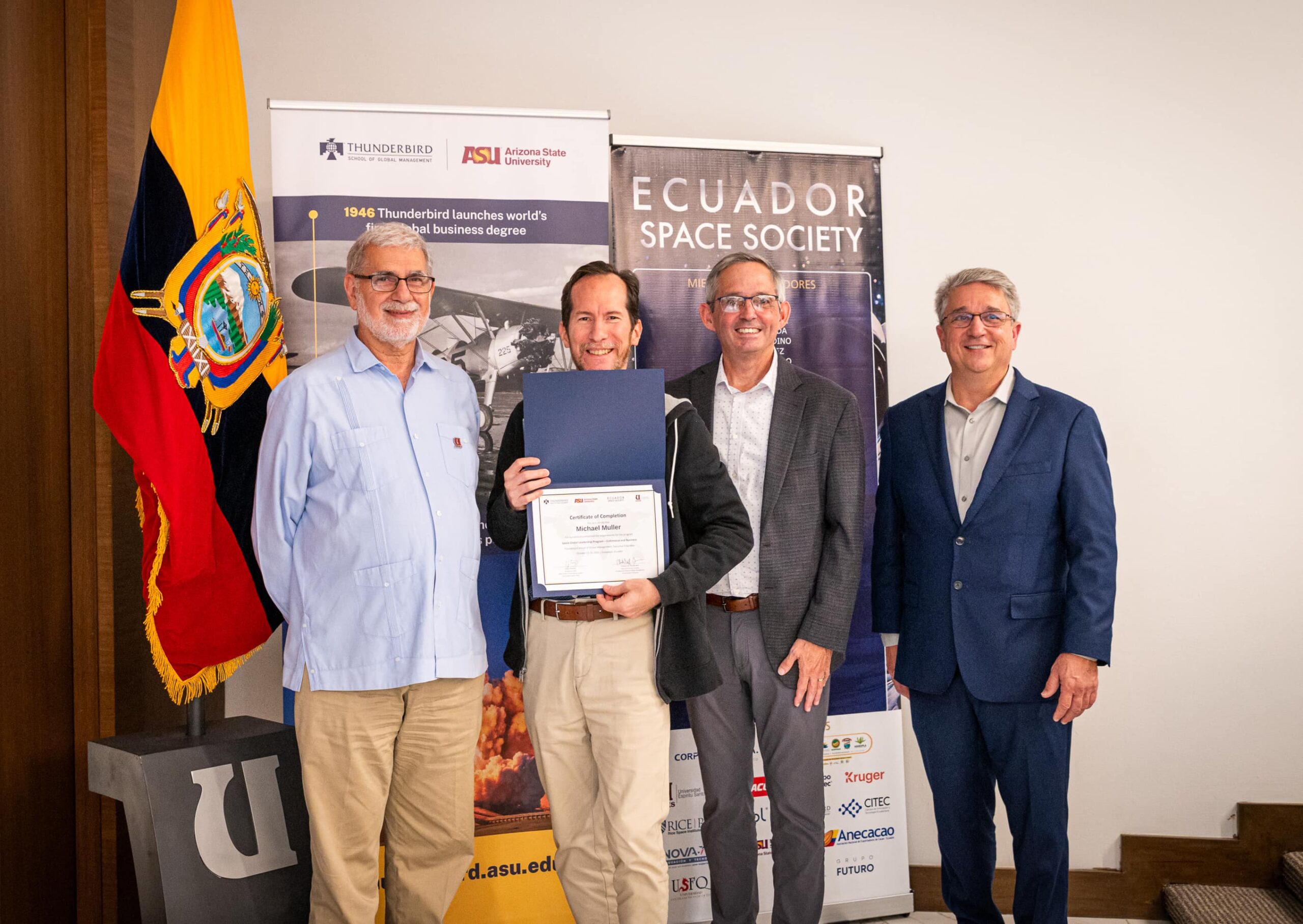
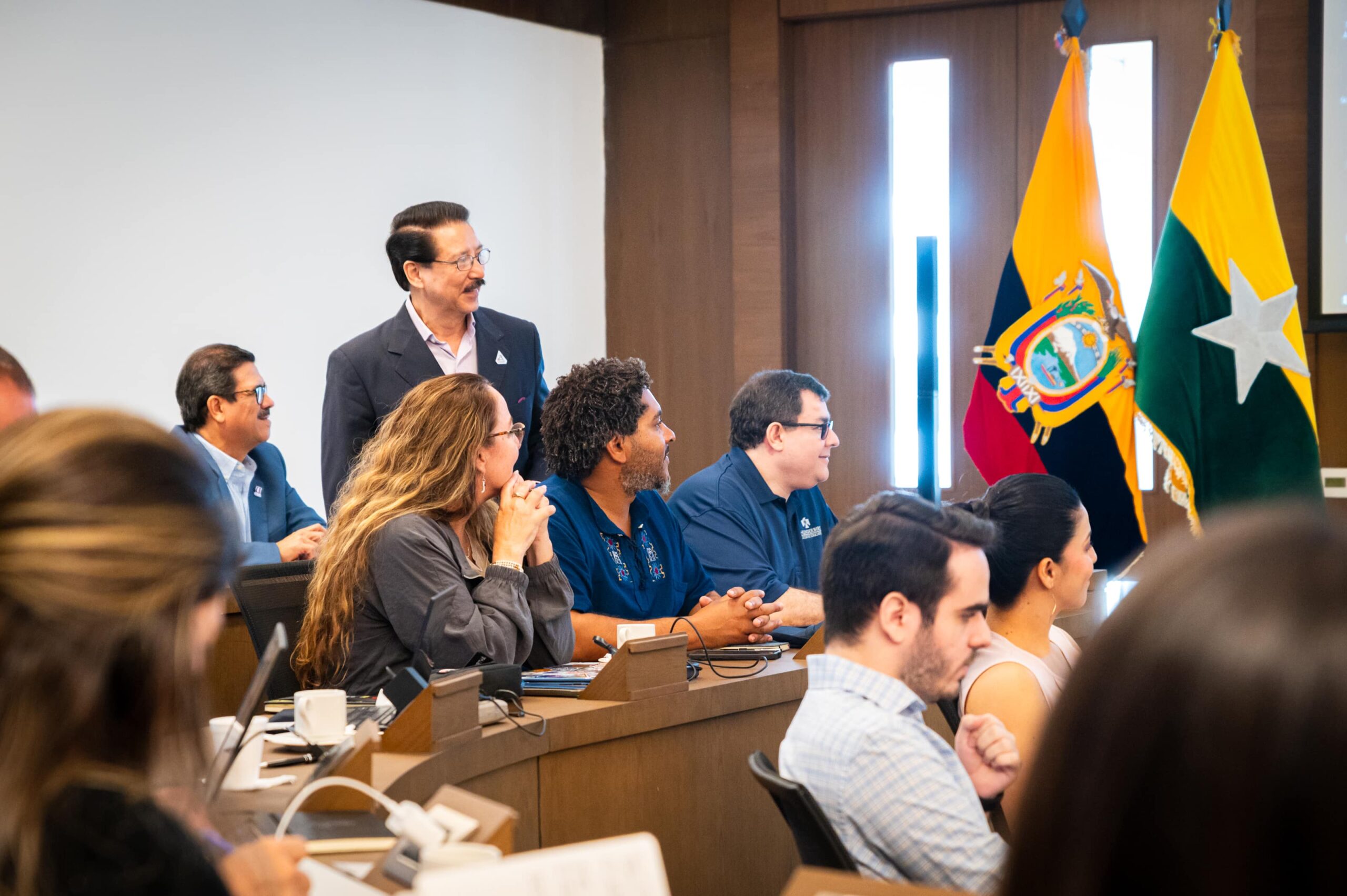
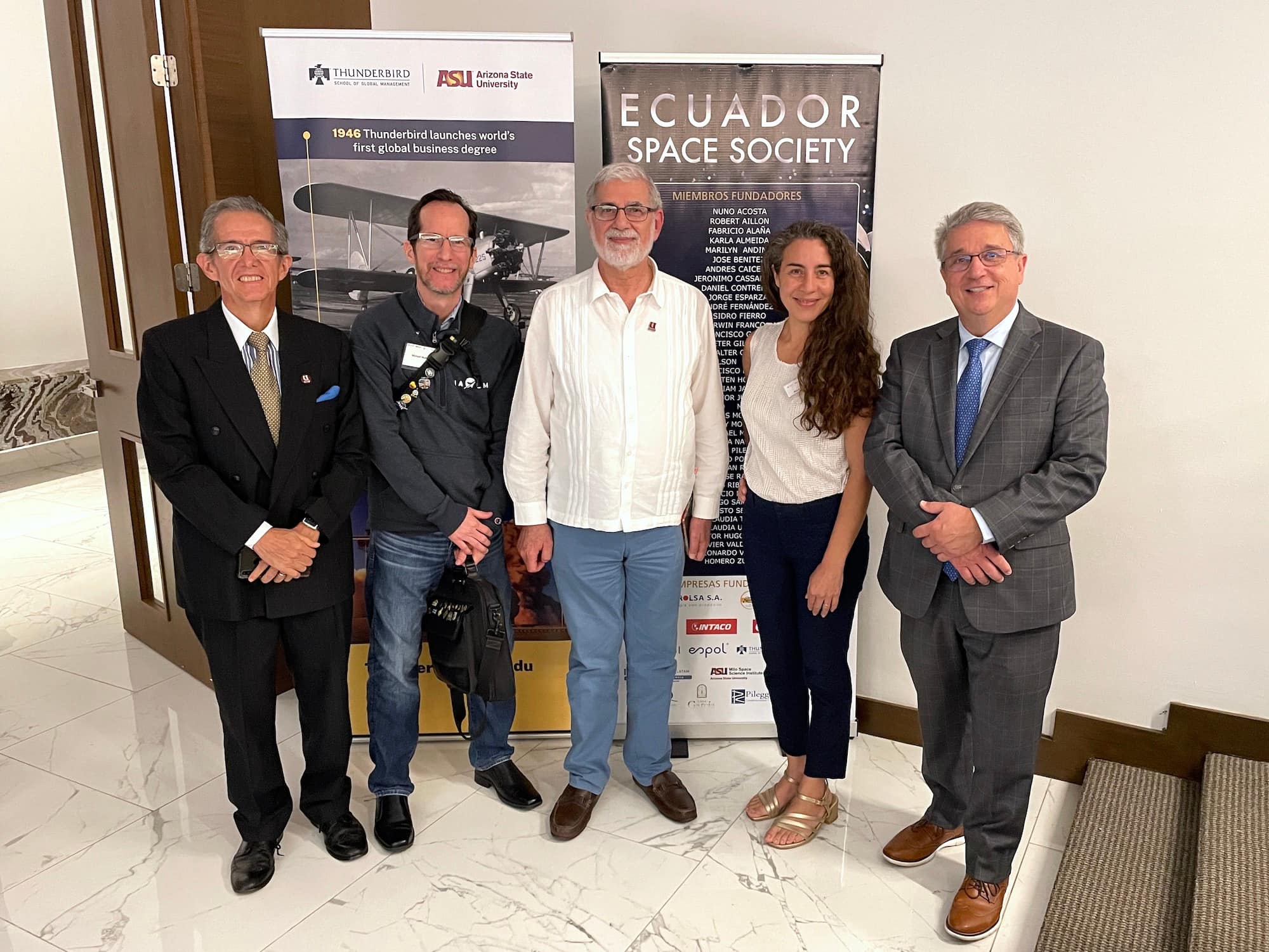
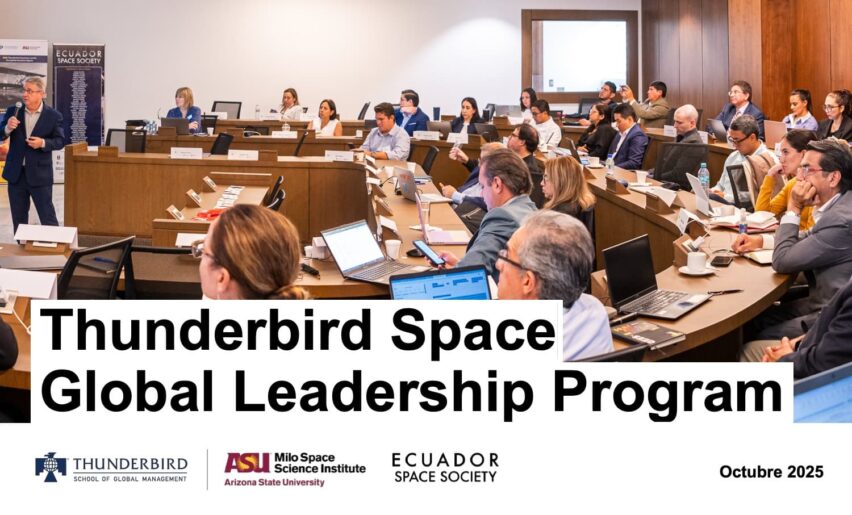
I recently completed the Global Space Leadership – Business & Policy Program at Thunderbird School of Global Management . It wasn’t just another course, but the academic foundation to understand and take the next step toward a shared dream: building a solid, conscious space culture in Ecuador, geared toward national development.
To achieve this, tools and speeches are not enough. What is needed is a committed community with a strategic vision and the conviction that our country has the conditions to be an active participant in this new global economy.
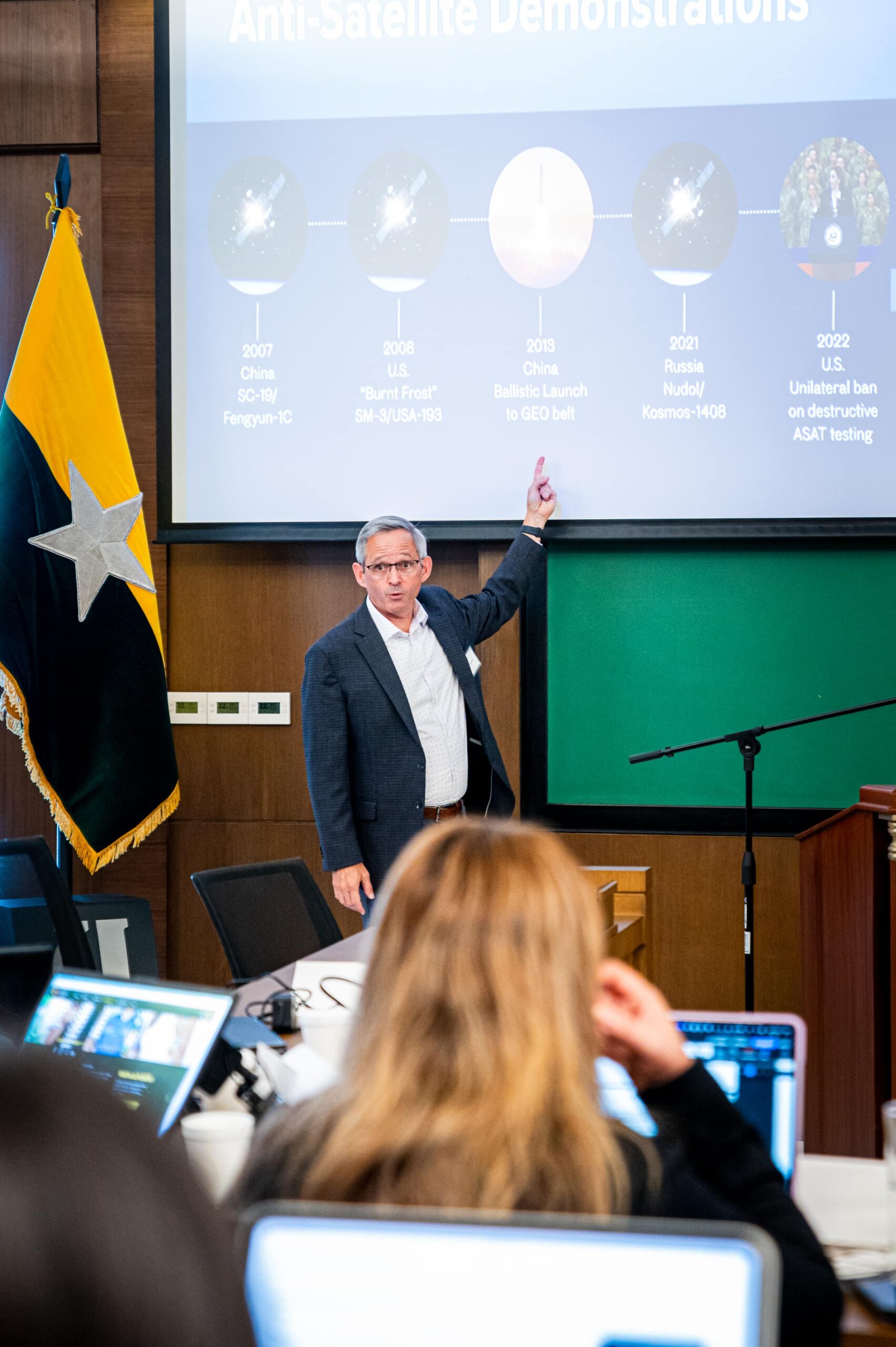
During the program, we addressed topics such as The Emerging Role of Latin America in Space, The Global Space Economy: Trends, Players, and Growth Sectors, Satellite Technologies & Earth Observation for National Development, and Business Models for the New Space Economy, among others.
This program—inspired by Arizona State University ‘s international certificate in Space Leadership, Business & Policy —was specially adapted for Latin America. Because space is no longer the future: today it is a strategic opportunity for science, business, and human development.
Ecuador in the face of the new space economy
“Space technologies can address many of the world’s most pressing business and societal challenges. This report from the World Economic Forum and McKinsey & Company shows that reducing costs and improving access to space technologies could boost the global space economy to $1.8 trillion by 2035, up from $630 billion in 2023.”
Ecuador has unique comparative advantages to do it intelligently and cooperatively.
However, to move from aspiration to leadership, institutionality, talent, vision, and continuity are needed.
The Ecuadorian Space Institute: a precedent and a lesson
In 2012, through Executive Decree No. 1040, the Government of Ecuador created the Ecuadorian Space Institute (IEE), under the coordination of the Ministry of National Defense. Its objective was to develop scientific capabilities, manage satellite information, and represent the country in international space cooperation forums.
The IEE promoted projects in remote sensing, environmental monitoring, mapping, and surveillance of the national territory, collaborating with institutions such as the Military Geographic Institute and the Oceanographic Institute of the Navy. Its approach combined defense, science, and development, setting a precedent for spatial governance in Ecuador.
However, in 2019, the Institute was dissolved as part of a public sector streamlining process. This measure left the country without a formal governing body for space policy and exposed a structural problem: without stable institutions, a long-term vision, and a sustained budget, space policy becomes diluted through isolated efforts.
Today, following the signing of the Artemis Accords, the need to create a new national space agency or entity that unifies efforts, promotes scientific cooperation, and maintains continuity of state is evident.
The Artemis Accords: Ecuador joins global exploration
On June 21, 2023, Ecuador became the 26th country to sign the Artemis Accords, a set of principles championed by NASA and the U.S. State Department that establish standards for the peaceful, sustainable, and cooperative exploration of space.
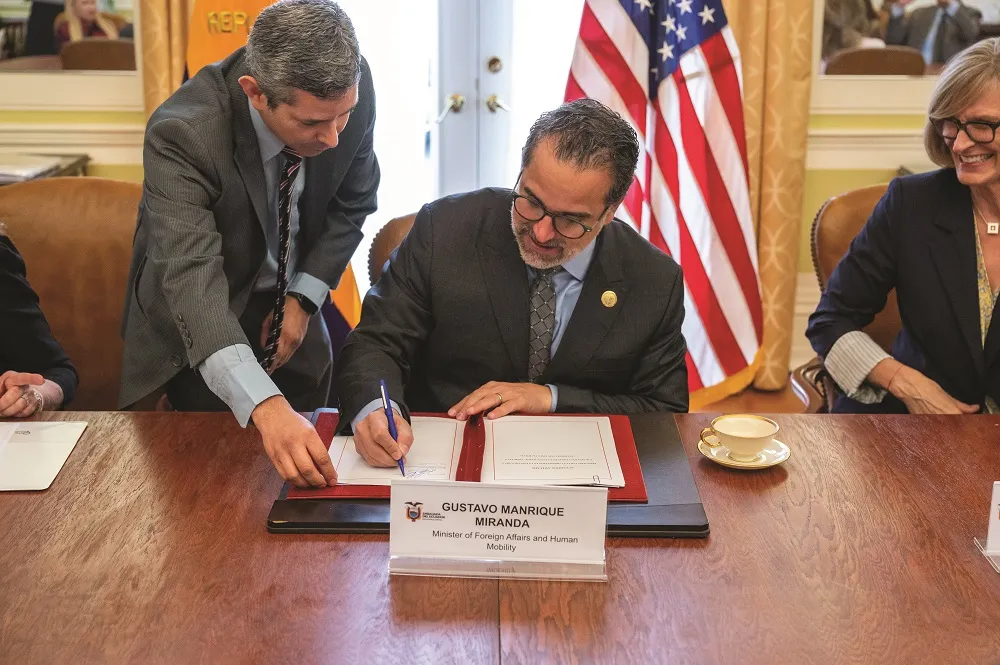
Ecuador’s accession was highlighted by NASA as a “historic” step that strengthens international cooperation in the new era of lunar exploration and beyond.
This agreement does not imply an immediate financial commitment, but it does open key doors:
- Access to international networks of space knowledge and innovation.
- Diplomatic and scientific legitimacy in multilateral forums.
- Academic and technological collaborations with foreign agencies and universities.
- Possibility of foreign investment in satellite services, observation and data analysis.
The accession also has symbolic value: it recognizes that space is a common good of humanity and that Ecuador wants to participate in its exploration in an ethical and responsible manner.
More information in this Space News article.
Ecuador’s natural and strategic advantages: A privileged position
Ecuador is one of the few countries on the planet crossed by the equator, which offers undeniable advantages for space activities.
Launches from the equator require less energy to reach low or geostationary orbits, reducing costs and increasing efficiency.
This positions the country as a potential regional launch and monitoring hub, especially attractive in a world seeking to diversify its space bases. Source: Forbes Ecuador
More information in this Ecuador Times article
A strategic geography for sustainability
The combination of coast, Andes and Amazon makes Ecuador a natural laboratory for terrestrial observation.
The ability to monitor deforestation, water resources, mining, agriculture, or climate risks from space not only has scientific value, but also a high economic and social impact.
Satellite observation is key to public policies in food security, climate resilience, urban planning and environmental conservation.
Potential for a local industry
The country could specialize in downstream services , that is, in the practical application of spatial data.
Ecuadorian startups and universities could offer solutions based on geospatial intelligence, analytics software, predictive models, and the design of products derived from satellite data. To achieve this, a well-structured ecosystem is needed: education, funding, infrastructure, and entrepreneurial vision.
What I learned: leadership, innovation and space diplomacy
The Thunderbird program not only broadened my knowledge of space economics and politics, but also reinforced a conviction: true innovation arises when science, technology, diplomacy, and ethics come together under a shared vision of the future.

We learned how space business models are built, how international cooperation frameworks are negotiated, and how small countries can play a strategic role if they focus on talent, agility, and purpose.
Ecuador does not need to be a space power; it needs to be coherent, visionary, and collaborative.
Space leadership is not measured solely in satellites or launches, but in a country’s ability to use space knowledge to improve life on Earth.
An invitation to build together
All of this requires genuine collaboration across sectors. That’s why I invite you to join the Ecuador Space Society community —a group of professionals, academics, and entrepreneurs committed to advancing the national and regional space agenda.
From there we can develop projects, connect talent and generate the capabilities that the country needs to move from signing agreements to implementing concrete policies.
Take away
Ecuador is at a crucial juncture: it has the location, the motivation, and the international context to take a historic leap toward the space economy. The difference between possibility and reality will lie in our capacity for organization, cooperation, and long-term vision.
Space is not a luxury or a fantasy: it is a platform for sustainable development, innovation and technological diplomacy.
And this is the time to act.
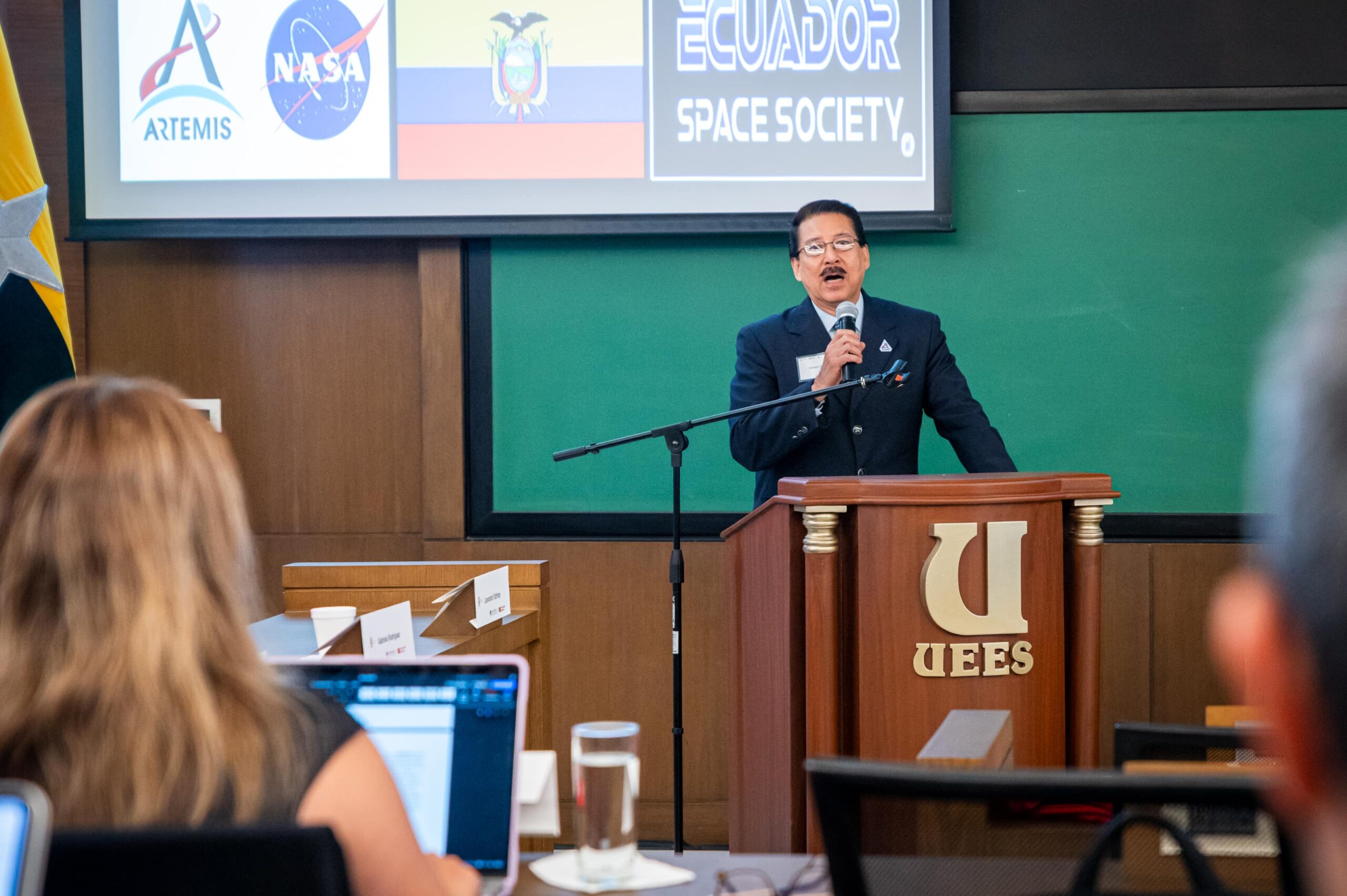
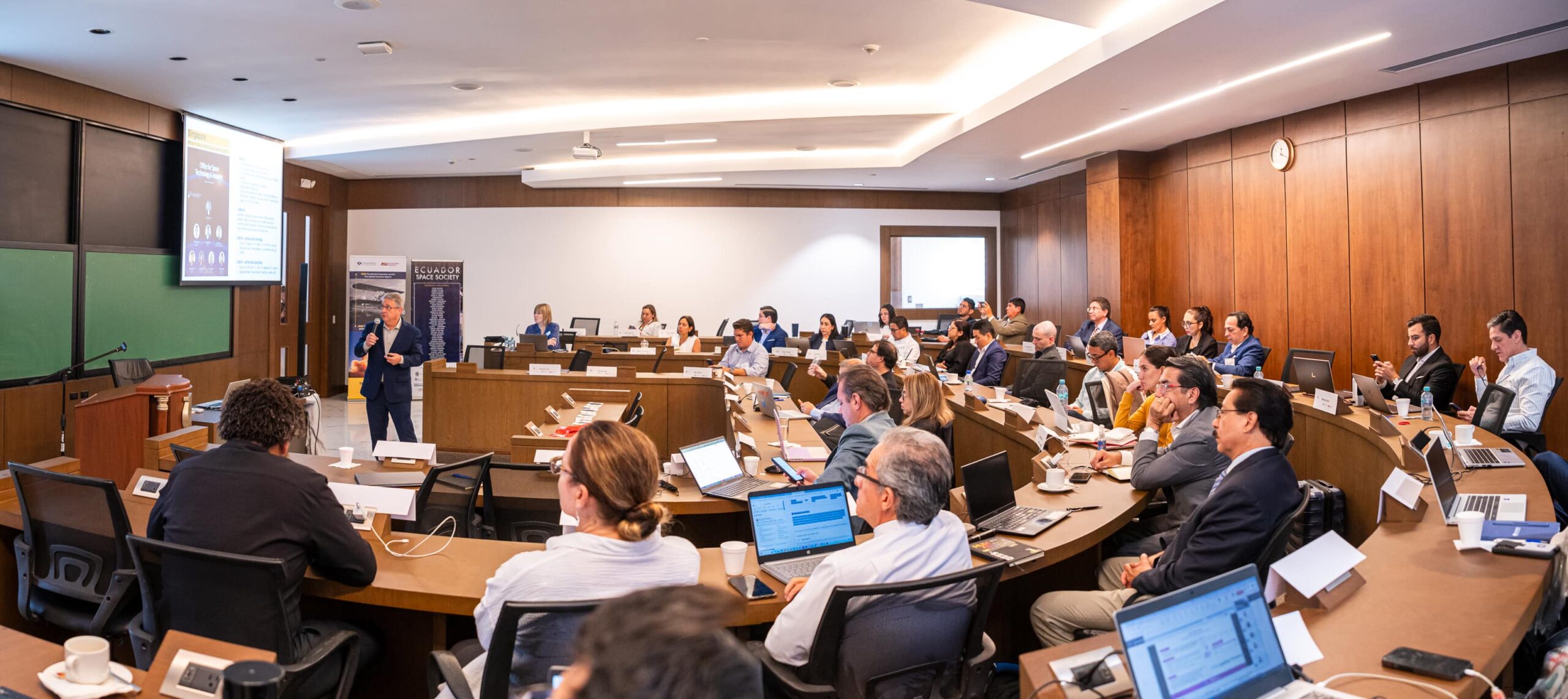
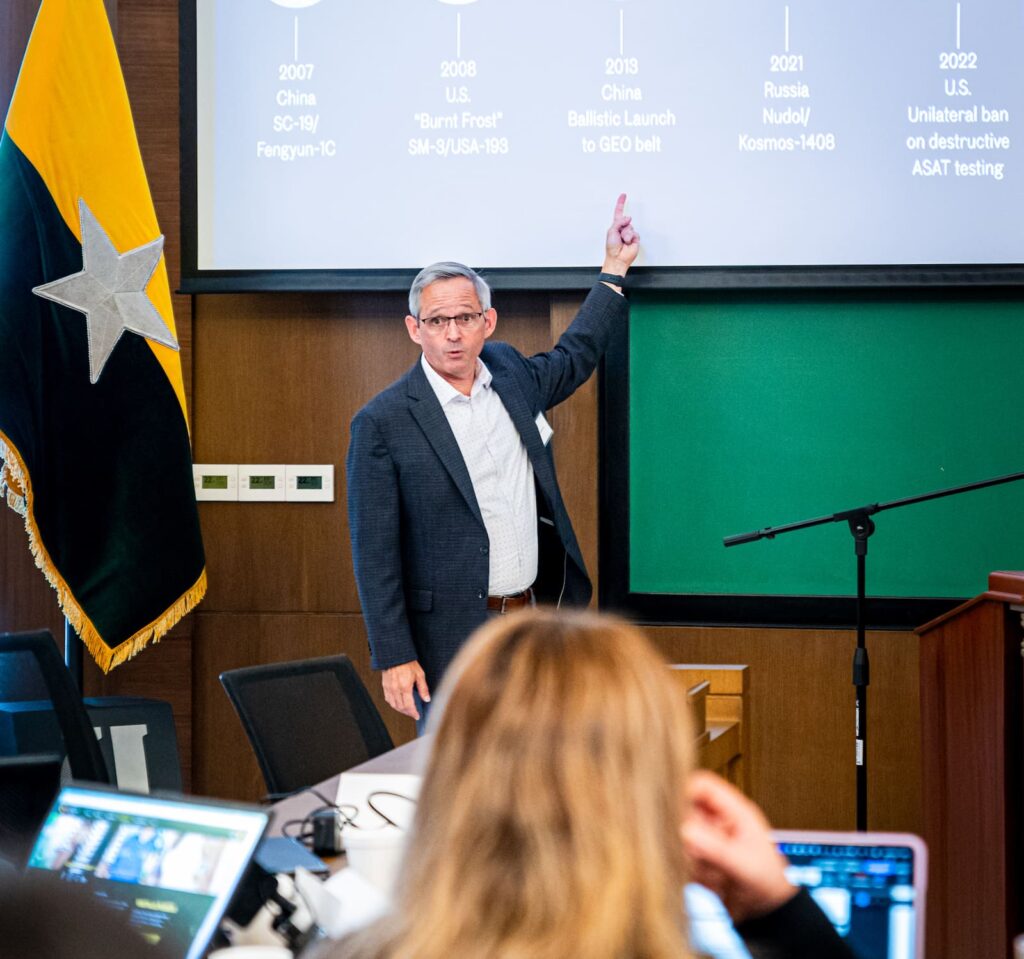
This is how the day of the program unfolded.